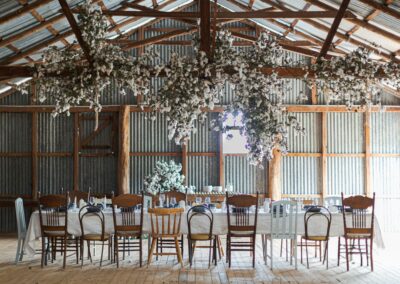
There is a quiet tension in how we shop and celebrate today. On one side stands the customer (or couple), increasingly aware of the environmental cost of their choices but often unsure how to navigate it. They know they do not want their purchases to harm the planet, yet they rarely possess the technical expertise to audit supply chains or calculate carbon footprints. On the other side stands the business owner, eager to do the right thing but daunted by the complexity of global logistics, opaque supplier networks, and the fear of getting it wrong.
Sustainability is not Niche
This gap between consumer expectation and business capability is widening. Recent data suggests that sustainability is no longer a niche preference but a baseline requirement for trust. According to NielsenIQ’s 2026 Consumer Outlook, ethical sourcing and sustainable packaging have become “table stakes” – basic expectations brands must meet simply to compete. Yet, while consumers demand action, they are tired of doing the legwork themselves. They look to businesses to absorb this complexity and provide clear, credible solutions.
For wedding industry professionals, this dynamic is particularly acute. Weddings are high-emission events by nature, involving travel, single-use décor, and complex catering logistics. Couples often approach planning with anxiety, fearing that every choice contributes to environmental degradation. They do not necessarily need to be experts in Scope 3 emissions; they need reassurance that their suppliers are handling these challenges responsibly.
The challenge for businesses is significant. Supply chains in the wedding sector are long and fragmented. A florist may source stems from local growers, imported wholesalers, and online retailers simultaneously. A caterer might rely on multiple farms, distributors, and cleaning services. Gathering accurate data on the environmental impact of each link in this chain is daunting. EcoVadis notes that while companies are focused on economic continuity, two-thirds still struggle to achieve their Scope 3 targets – the emissions generated indirectly through their value chain. For small and medium-sized enterprises (SMEs), which make up the bulk of the wedding industry, this lack of visibility can feel insurmountable.
However, the solution lies not in solitary perfection but in collective progress. The era of greenwashing is ending. RepRisk reports that consumers are deeply wary of empty claims, with around 70 percent independently verifying sustainability statements*. In response, we are entering what ESADE describes as an “era of authenticity,” where execution matters more than ambition. Businesses must move beyond vague pledges and toward measurable, transparent actions. But they cannot do this in isolation.
Community collaboration is the key to unlocking scalable sustainability. When one business invests time in vetting a supplier, assessing their waste management practices, or confirming their energy sources, that knowledge should not remain siloed. Sharing this due diligence creates a ripple effect. It saves other businesses from repeating the same research, allowing them to build their own sustainable offerings faster and more confidently.
Working Together to Build A Sustainable Supply Chain
At the Sustainable Wedding Alliance (SWA), we are building a database of companies across all sectors supplying the wedding industry. This resource is ever-evolving, designed to make the path to sustainability less lonely and more efficient. By aggregating verified information, we aim to reduce the friction for both businesses and couples. If a venue knows their preferred linen hire company has been assessed for water usage and fair labour practices, they can recommend them with confidence. If a planner shares a caterer who successfully minimises food waste through smart portioning, they empower other planners to offer greener options without starting from scratch.
This model of mutual support transforms sustainability from a competitive disadvantage into a shared asset. It recognises that no single business can solve the climate crisis alone, but a network of aligned professionals can drive systemic change. As WifiTalents highlights, 82 percent of consumers now want supply chain transparency. By pooling resources and insights, the wedding industry can deliver exactly that.
Consider the Practical Application
A photographer who switches to digital-only albums reduces paper waste. By sharing this shift with peers, they normalise the practice. A florist who partners exclusively with British seasonal growers helps stabilise local agriculture. When this partnership is publicised within the community, it encourages other florists to explore local sourcing, knowing the logistical hurdles have already been mapped. Over time, these individual actions coalesce into industry-wide standards.
Regulation Will Inevitably Play a Larger role
Deloitte warns that SMEs will soon face stricter reporting obligations, mirroring frameworks currently applied to large corporations*. Proactive engagement with sustainability today prepares businesses for tomorrow’s compliance requirements. More importantly, it builds resilience. Companies that understand their supply chains are better equipped to handle disruptions, whether caused by climate events or geopolitical shifts.
For couples, this collaborative approach offers peace of mind. They can choose vendors who are part of a verified ecosystem, trusting that rigorous standards underpin their selections. Platforms like the SWA accredited directory allow conscious couples to find suppliers who have demonstrated commitment, removing the guesswork from their planning process^. They see not just a pretty bouquet or a delicious menu, but a story of responsible stewardship.
Ultimately, sustainability in weddings is not about achieving zero impact overnight. It is about continuous improvement, driven by shared learning and honest dialogue. Businesses must lead by making sustainable options the default, not the exception. Consumers must be empowered with clarity, not confusion. And the industry must embrace collaboration as its greatest tool.
By working together, we can transform the wedding sector from a symbol of excess into a beacon of innovation. We can prove that celebration and responsibility are not mutually exclusive. The work is hard, and the supply chains are complex, but we do not have to walk this path alone. Together, we can build a future where every wedding leaves a lighter footprint and a brighter legacy.
Sources
Sustainable Brands – Simon-Kucher & Partners. Sustainability 2024: Navigating consumer behavior.
WifiTalents. Sustainability In The Business Industry: 2026 Verified Stats. Feb 2026.
ESADE. Sustainability in 2026: From promises to proof. Apr 2026.
Clarkston Consulting. 2026 Sustainability Trends. Apr 2026.
Verdantix. Rising Expectations For Sustainability In 2026: 10 ESG Predictions. Jan 2026.
EcoVadis. The 2026 Sustainability Outlook: From Ambition to Impact. Jan 2026.
NielsenIQ. Consumer Outlook: Guide to 2026. Jun 2026.
* Sustainable Floristry Network. Consumers & sustainability – 2024 report.
^ For Conscious Couples. Supplier Directory – Accredited Members.